For decades, creating advertising visuals followed a familiar process. Brands planned commercial shoots, booked locations, hired models, coordinated production crews, and spent weeks preparing a campaign. The result was polished imagery designed to capture attention and define brand identity.
This process still exists, especially for major campaigns. But a recent debate around an AI-generated campaign from Gucci shows that the way advertising visuals are produced is beginning to change.
The conversation around that campaign reveals more than criticism or curiosity. It highlights a larger shift taking place across creative production.
The Campaign That Sparked the Conversation
Gucci recently released a set of AI-generated visuals for a campaign connected to its Primavera collection ahead of Milan Fashion Week. The images featured stylized models and surreal environments that felt slightly dreamlike and digital.
Online reactions came quickly. Some viewers questioned the use of AI in luxury branding. Critics argued that luxury fashion should emphasize craftsmanship, heritage, and human artistry. Others described the visuals as unusual or artificial.
Industry experts pointed out something more interesting. The campaign appeared to be a deliberate attempt to explore the intersection of fashion, art, and technology.
In other words, the campaign was not simply about visuals. It was about experimentation.
When New Technology Enters Creative Fields
Creative industries often react strongly when new tools appear.
Photography once faced resistance from painters who believed it would diminish traditional art. Later, digital photography raised concerns among professional photographers who preferred film. CGI faced criticism when it first entered filmmaking.
Each time, the technology eventually became part of the creative toolkit rather than a replacement for human creativity.
Artificial intelligence is now entering the same stage of debate.
The reaction to the Gucci campaign shows that advertising is approaching a similar turning point.
The Changing Role of Commercial Shoots
Traditional advertising production often begins with a commercial shoot. These productions involve cameras, lighting setups, locations, production teams, and detailed coordination.
For large campaigns, this structure works well. Luxury brands and global companies still invest heavily in cinematic production.
But modern marketing demands far more content than it did in the past.
Brands now produce visuals for:
- social media platforms
- digital advertising campaigns
- product launches
- seasonal promotions
A single commercial shoot rarely supports the constant flow of creative assets needed for modern marketing.
This is where new production methods are beginning to emerge.
AI as a Creative Production Tool
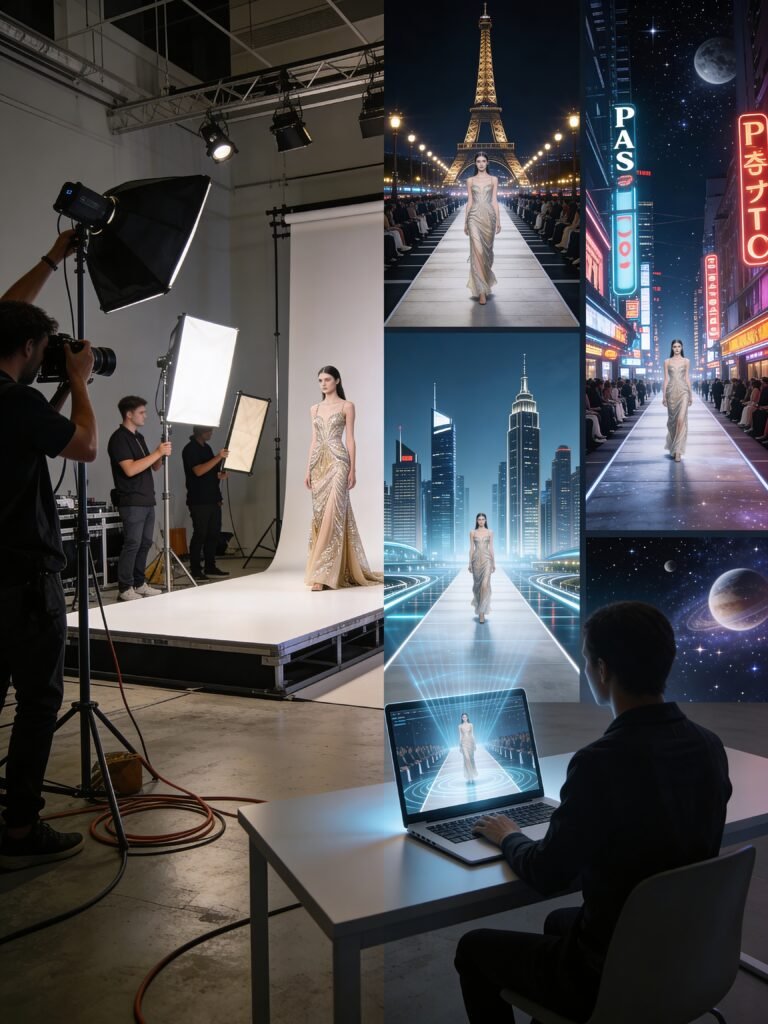
AI-generated visuals allow brands to create scenes, environments, and short video content without organizing a full commercial shoot.
Instead of building physical sets, digital environments can be created. Instead of coordinating large teams, creative direction and AI tools can produce visuals more quickly.
This does not remove creativity from the process. Human direction still shapes the concept, storytelling, and visual identity of the campaign.
What changes is the production workflow.
Rather than relying entirely on physical shoots, brands can combine creative direction with AI-generated production to create marketing visuals more efficiently.
Where This Works?
Many types of brands can benefit from this approach.
A restaurant launching a new menu might normally organize a food photography shoot. With AI-generated visuals, the dish can appear in carefully designed environments that match the brand’s aesthetic.
An e-commerce company launching a new product could create lifestyle imagery showing the product in multiple settings without organizing several location shoots.
Startups testing advertising campaigns can generate multiple visual concepts quickly, allowing them to experiment with different ideas before investing in larger productions.
In each case, AI expands the number of creative possibilities available to a brand.
A New Phase for Advertising Production
The debate around the Gucci campaign reveals something important. The industry is not choosing between human creativity and technology. Instead, it is exploring how the two can work together.
Fashion, art, and advertising have always evolved alongside new tools. AI is becoming the latest addition to that evolution.
Commercial shoots will continue to play an important role for major campaigns and storytelling projects. But AI-powered production is opening new possibilities for everyday marketing content.
As brands experiment with these tools, creative production is becoming more flexible, more scalable, and more accessible.
The conversation sparked by Gucci’s campaign may only be the beginning of a much larger transformation in how advertising visuals are created.
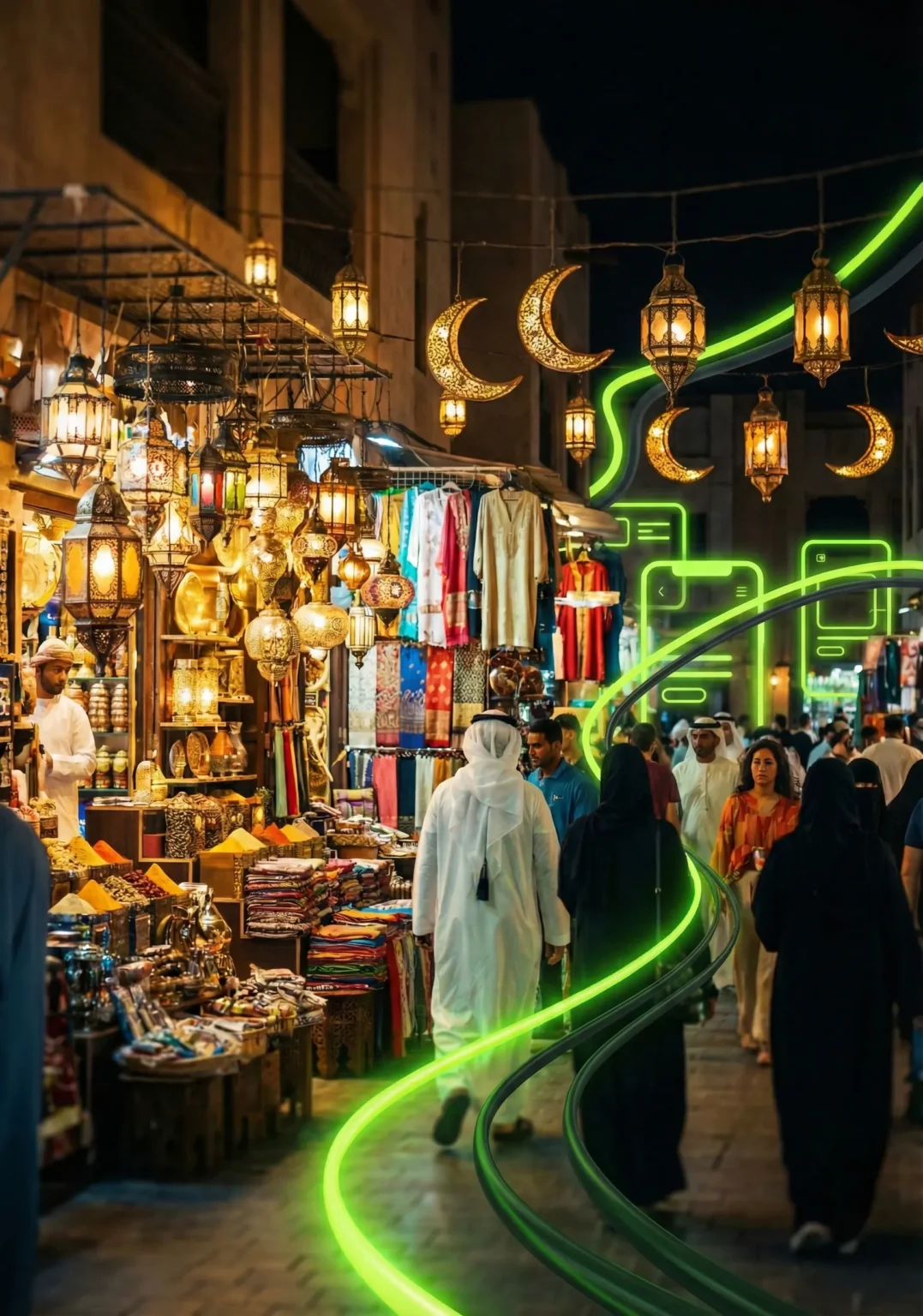
In Dubai, where brands rely heavily on visual storytelling for social media and digital campaigns, these tools are already influencing how marketing content is produced. Creative teams are beginning to combine human direction with AI-powered production to create advertising visuals faster and with fewer production constraints.
And Zesta helps brands turn this shift into practical creative output. Our team produces AI-generated advertising videos and visuals for social media and digital campaigns without the need for traditional commercial shoots. This approach works across industries, from restaurants and fashion brands to e-commerce products, real estate, hospitality, and startups that need strong visual content to market their offerings. By combining creative direction with AI production, brands can develop high-quality marketing visuals quickly and launch campaigns without the usual complexity of large-scale shoots.
If your brand is exploring new ways to produce advertising content, you can reach us at hello@zesta.me to learn how AI-powered creative production can support your next campaign.